Rethinking Posture and What Actually Matters
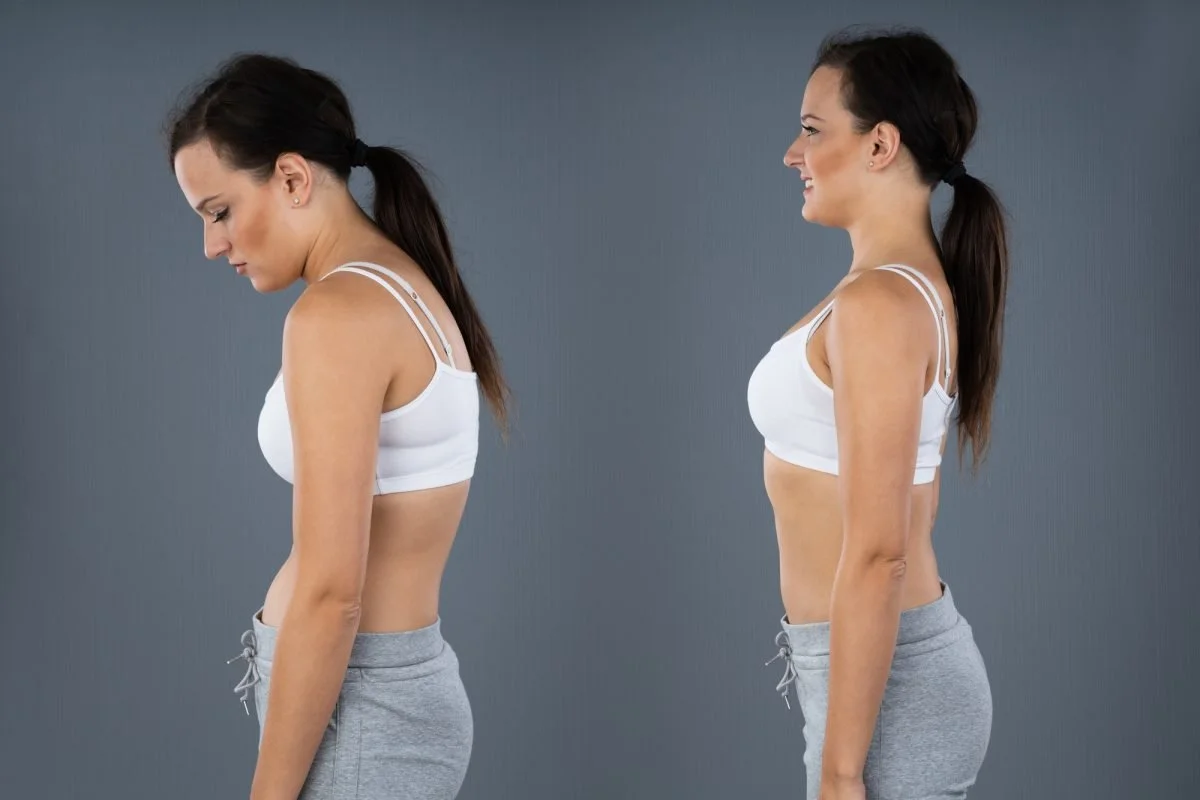
Posture is something people think about often, usually in the context of trying to sit or stand perfectly straight. I hear this all the time in the clinic. People feel like they are doing something wrong if they are not holding a perfect position throughout the day. The truth is, posture is not about holding one position. It is about how your body moves and adapts over time.
The body is designed to move. Even the best posture, if held for too long, can create tension. What matters more is how often you change positions and how your body feels while you are in them. When you stay in one posture for extended periods, certain muscles work harder while others become less active. This is often when discomfort begins to build.
Instead of thinking about posture as something you have to fix, it can be more helpful to think about it as something you notice. How are you sitting right now? Are your shoulders relaxed? Is your head supported over your body or drifting forward? These small check-ins create awareness without adding pressure.
I often remind patients that there is no single perfect posture. What feels supportive for one person may feel different for someone else. Your posture is influenced by your daily habits, your environment, and how your body is feeling that day. The goal is not to force your body into a rigid position, but to find alignment that feels natural and sustainable.
Another important piece of posture is strength. When the muscles that support your spine and shoulders are working well together, it becomes easier to maintain comfortable positions without effort. This is why posture is closely tied to overall movement and not just how you sit or stand.
Breathing also plays a role. When your breathing is shallow or restricted, the body often shifts into positions that create more tension. When your breath is steady and relaxed, your posture tends to follow.
Posture becomes less about how you look and more about how you feel. When your body feels supported, balanced, and able to move freely, you are in a good position.
The most helpful approach is a simple one. Stay aware, change positions often, and allow your body to move throughout the day. When you take the pressure off trying to be perfect, your body naturally finds a way to feel more comfortable and supported.