
How Your Sleep Position Affects Back and Neck Pain
Sleep is one of the most important times for your body to recover, but it can also be a time when discomfort builds without you realizing it. Many patients tell me they wake up with neck stiffness or lower back soreness and are not sure why. In many cases, the way the body is supported during sleep plays a major role.
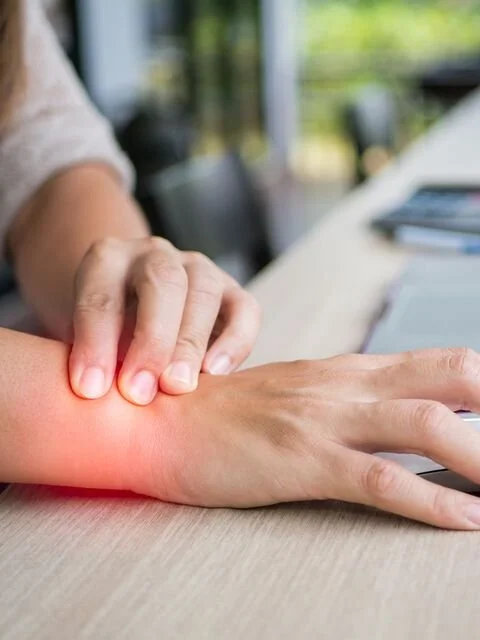
Why Your Wrists Hurt at a Desk and What Can Help
Wrist discomfort is something I hear about often, especially from people who spend long hours at a desk. It usually starts subtly. A little tightness while typing, a feeling of fatigue at the end of the day, or occasional soreness that comes and goes. Over time, those small signals can build into something more noticeable.
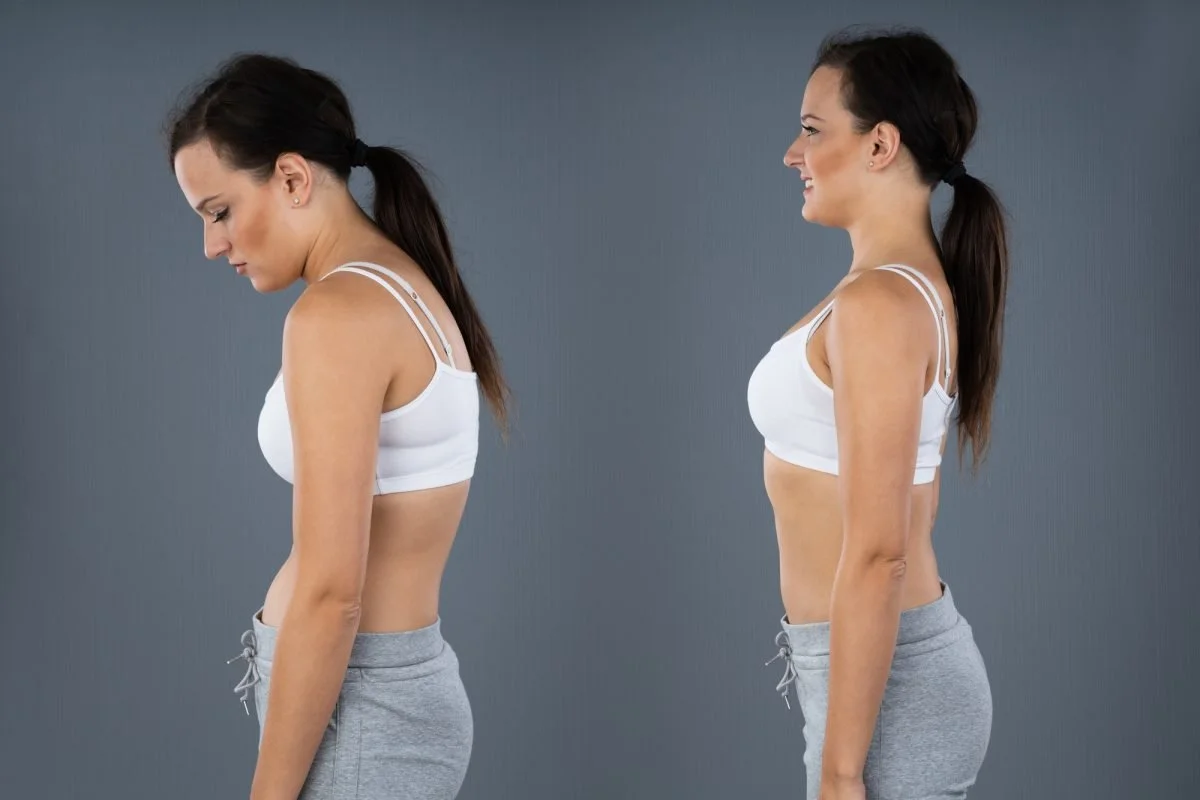
Rethinking Posture and What Actually Matters
Posture is something people think about often, usually in the context of trying to sit or stand perfectly straight. I hear this all the time in the clinic. People feel like they are doing something wrong if they are not holding a perfect position throughout the day. The truth is, posture is not about holding one position. It is about how your body moves and adapts over time.

Getting Back Outside and What Your Body Might Need
As the weather begins to warm up, many people naturally feel the urge to spend more time outside. Longer walks, time in the sun, and more movement throughout the day can feel refreshing after months of being indoors. While this shift is a positive one, it also asks your body to adjust in ways that are easy to overlook.

How Living With a Dog Impacts Your Body More Than You Realize
Dogs bring so much joy into our lives, but they also quietly shape how our bodies move every single day. From walking routines to lifting, bending, pulling, and even how we recover, living with a dog creates physical demands that many people never connect to their aches and pains.
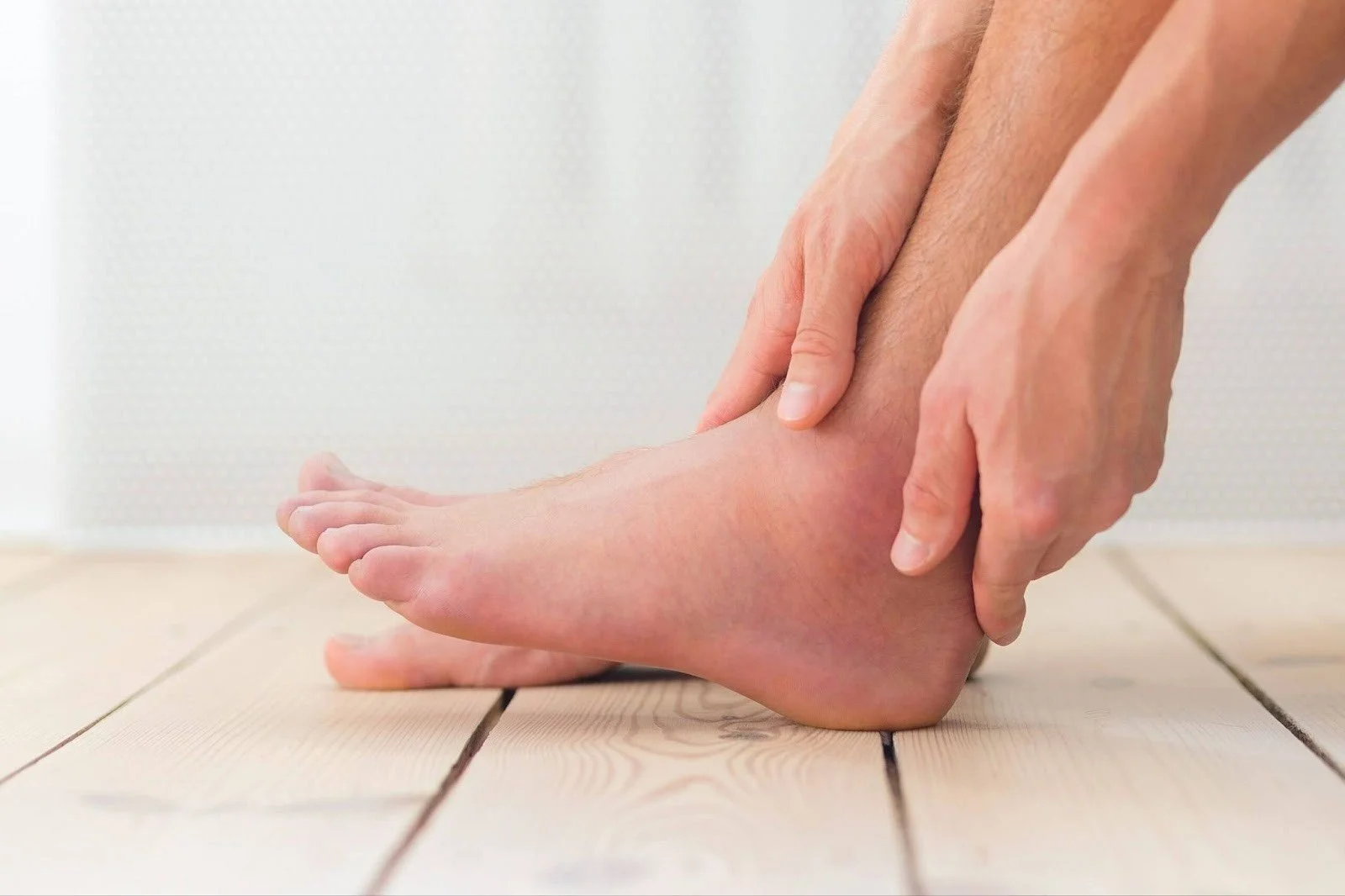
Why a Twisted Foot Can Still Hurt Months Later and What Helps
Foot injuries do not always happen during sports or traumatic accidents. In many cases, they happen during very ordinary moments and over long periods of time. A simple misstep off the curb, landing on your foot wrong and rolling your ankle is an example. How we load gravity through our body affects our bones, ligaments and tendons. If it is not distributed evenly, breakdown can occur.

How Busy NYC and Hamptons Lifestyles Affect Your Body
Living a busy lifestyle keeps you moving, but it also places unique demands on your body that are easy to overlook.
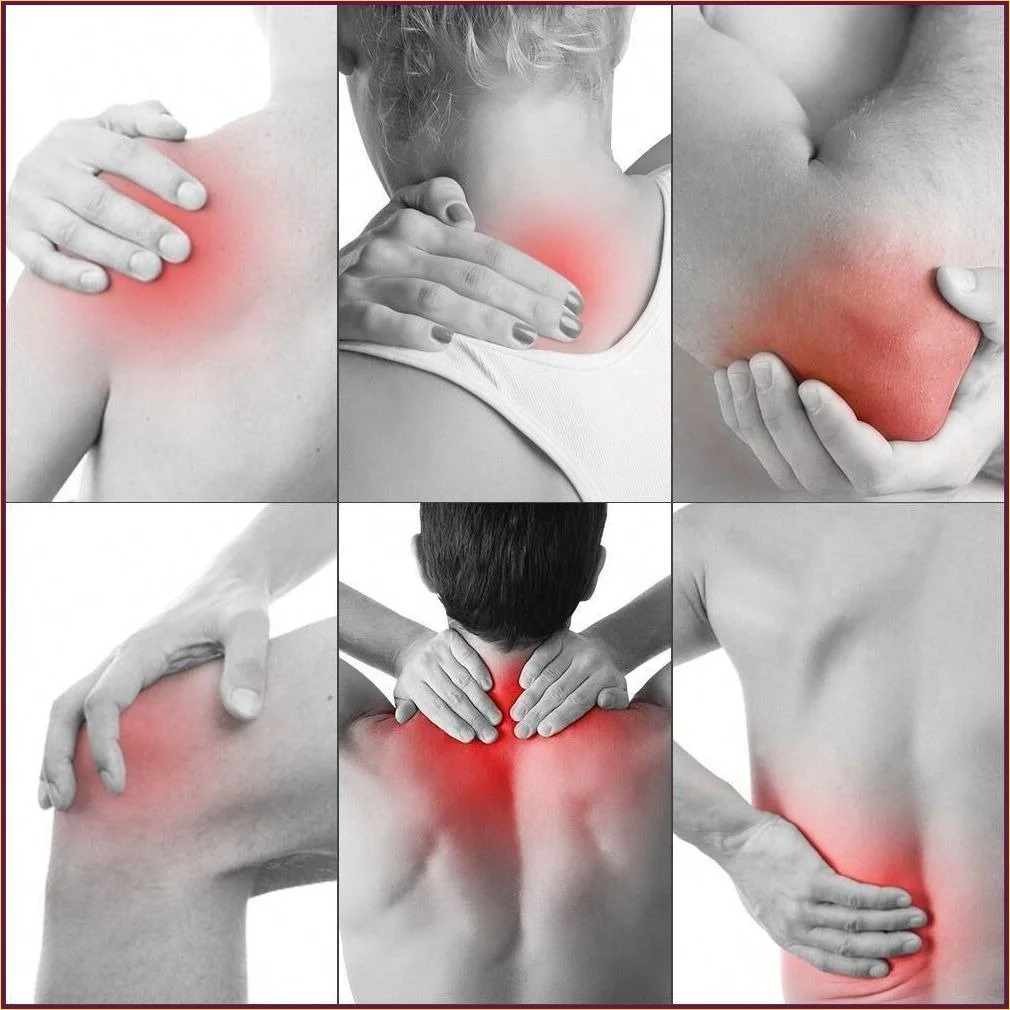
Pain Isn’t Always Coming From Where You Feel It
Pain has a way of grabbing your attention and pointing you toward one specific spot. Your knee hurts, so you focus on the knee. Your foot hurts, so everything becomes about the foot. While that makes sense, it is not always how the body actually works.

Tools I Recommend to Support the Arm at Home
Arm discomfort often shows up during everyday tasks like lifting, typing, cooking, or carrying bags. The arm works as part of a larger system that includes the shoulder, elbow, wrist, and hand. When one area feels unsupported, the rest of the arm often compensates. When patients ask how they can support their arms at home, I focus on tools that encourage comfort, control, and healthy movement patterns.

Why Balance Changes More Than You Think
Balance is something most people only think about when it feels off. Standing on one leg, walking on uneven ground, or catching yourself when you trip all rely on systems in the body that work quietly in the background. When balance feels less steady, it can be surprising and sometimes frustrating, especially when there has not been a clear injury.

How Winter Affects Your Body and How to Support It
Winter often changes how our bodies feel and move. Colder temperatures, shorter days, and shifts in routine can all influence stiffness, energy, and comfort. As a physical therapist, I often notice that people experience more tension and soreness during the winter months, even if their activity level has not changed.

How Hydration Affects Muscle Recovery and Movement Quality
Hydration is something many people associate with energy or overall health, but it also plays a meaningful role in how your muscles move and recover. As a physical therapist, I often see how even mild dehydration can influence stiffness, fatigue, and how the body responds to daily activity.

What I Bring With Me to Stay Comfortable While Traveling
Traveling is exciting, but it also asks a lot from your body. Long flights, car rides, different beds, and carrying bags can all create tension in places you normally do not notice. Over time I have learned that a few simple items make a big difference in how comfortable and supported I feel during travel. I keep these in my carry on or weekend bag so they are always within reach. I am including links so you can explore them if they feel helpful for your own trips.
Signs Your Body May Be Asking for More Support
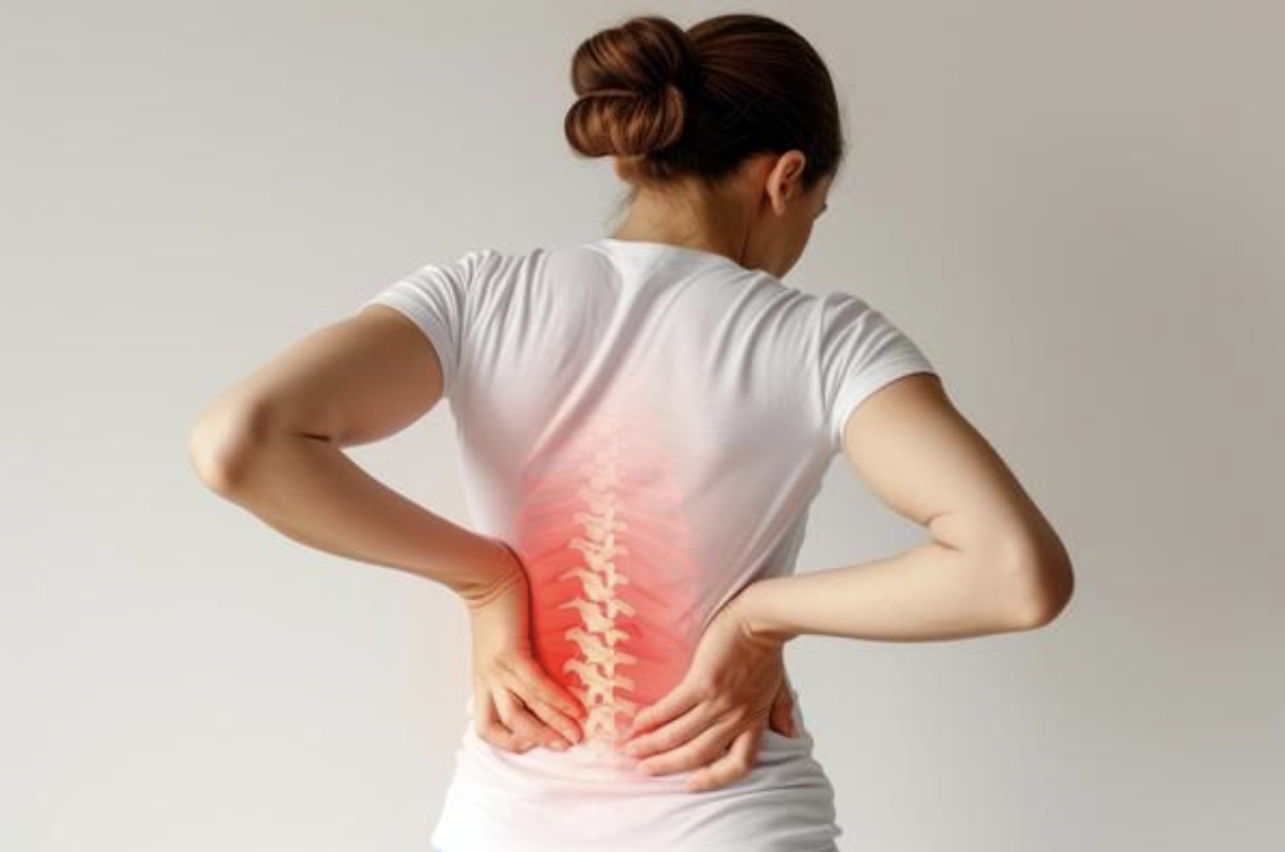
Your body communicates with you long before discomfort becomes a real limitation. The signals are often subtle and easy to overlook, especially when life gets busy. As a physical therapist, I spend a lot of time helping patients understand these early signs so they can support their body in a way that feels steady and sustainable.

Starting the New Year with Supportive Movement Habits
The start of a new year often brings a sense of reset. Not in the all or nothing way we usually talk about in January, but in a quiet shift that encourages us to check in with how our bodies feel. I like using this time to help patients reconnect with movement in a way that feels steady, supportive, and realistic for their lives.
Physical Therapist or Doctor Which One Should You See First
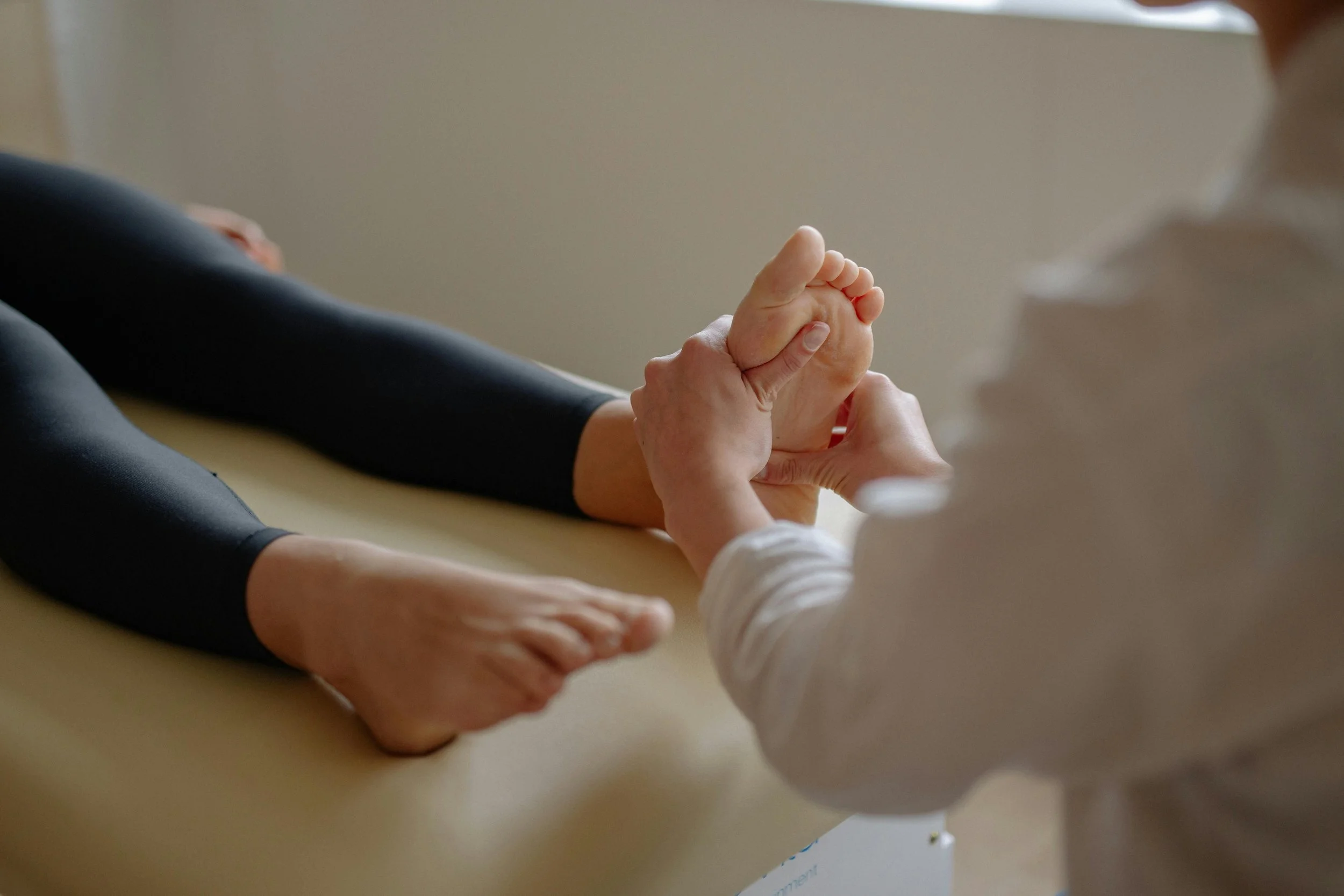
A question I hear often is whether someone should see a physical therapist or their primary care doctor when they begin to notice pain or changes in how their body feels. Both providers play important roles in your health, but the type of care you receive is very different. Understanding these differences can help you make confident decisions about your next steps.
Why Core Stability Matters More Than Most People Realize
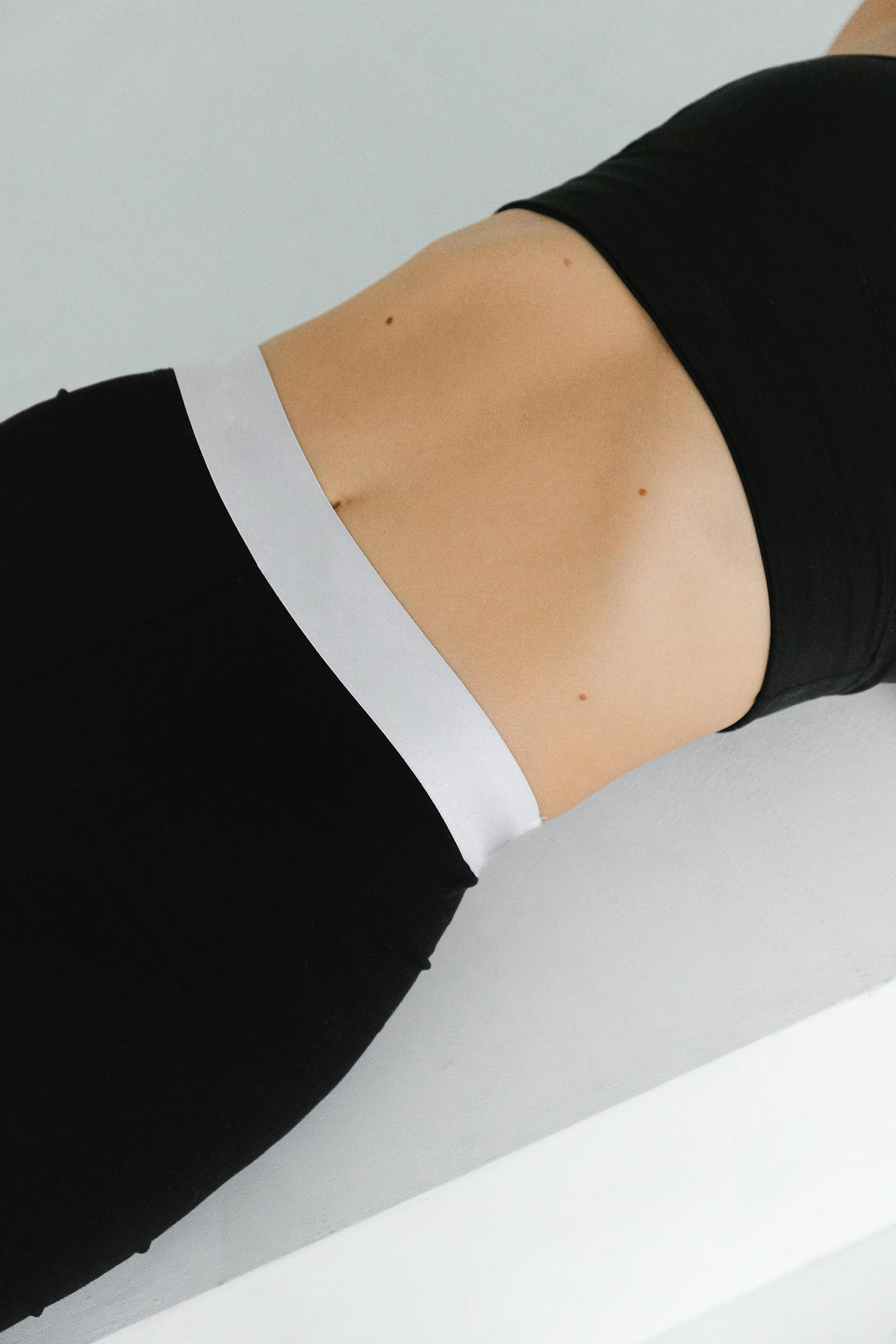
Core stability is one of the most important foundations of healthy movement, yet many people think the core is only about the abdominal muscles. In reality, the core includes the deep muscles around the spine, the pelvic floor, diaphragm and the muscles in your throat that create voice. These areas work together to keep the body steady and to help every movement feel smoother and more controlled.
Helpful Tools That Support Knee Comfort and Strength at Home
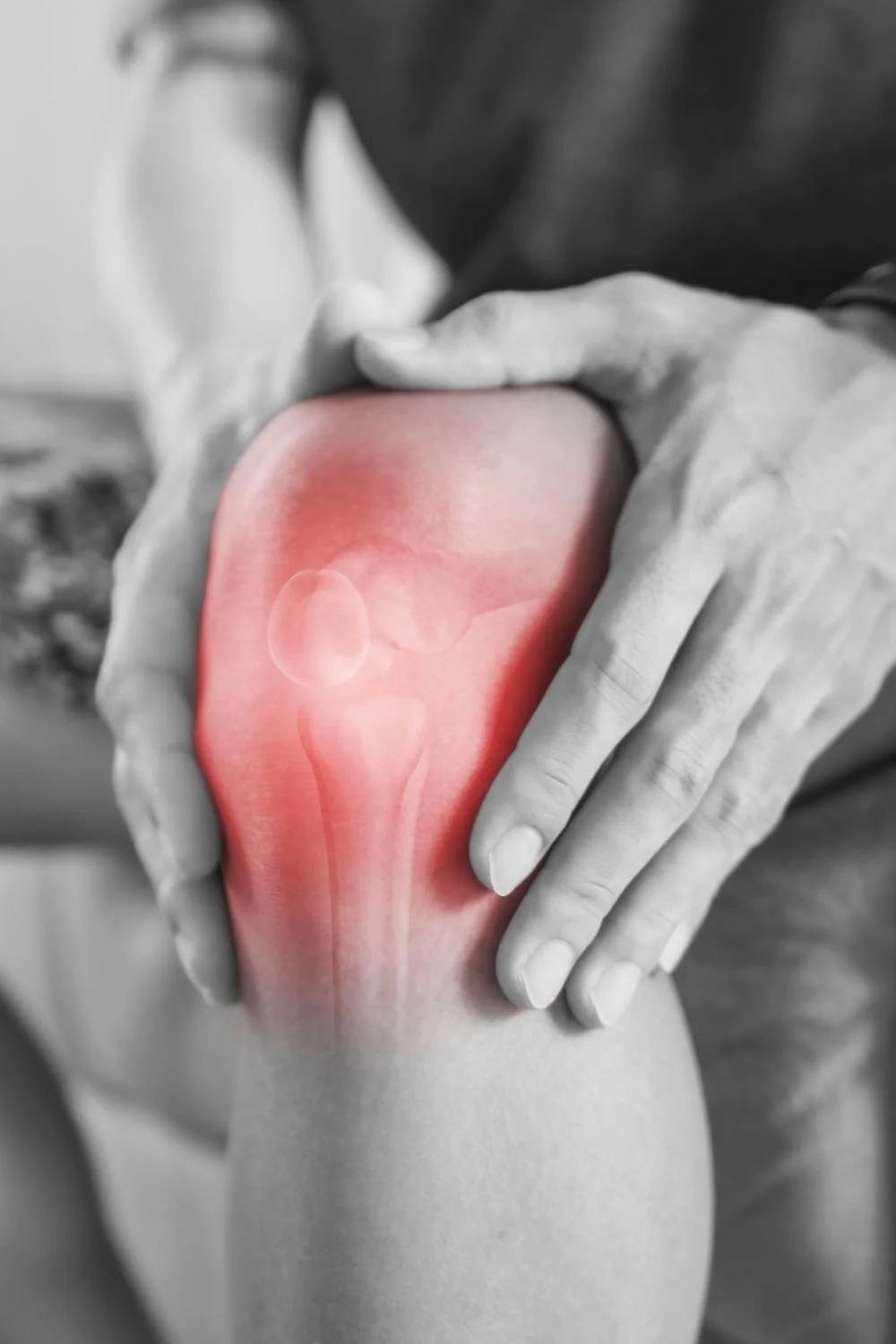
Knee discomfort is something I see in patients of all ages. It can come from strength imbalances, alignment changes, past injuries, or simply the way someone moves throughout the day. While guided physical therapy is essential for long term improvement, many people benefit from having simple tools at home that support stability, comfort, and healthy movement patterns.

My Top 10 Amazon Essentials for Better Movement and Everyday Comfort
Over the years, I have noticed that many of my patients benefit from simple tools they can keep at home. These items make it easier to stay consistent with exercises, support healthy movement habits, and create more comfort throughout the day. I am often asked which products I personally recommend, and I love sharing the ones that truly make a difference.
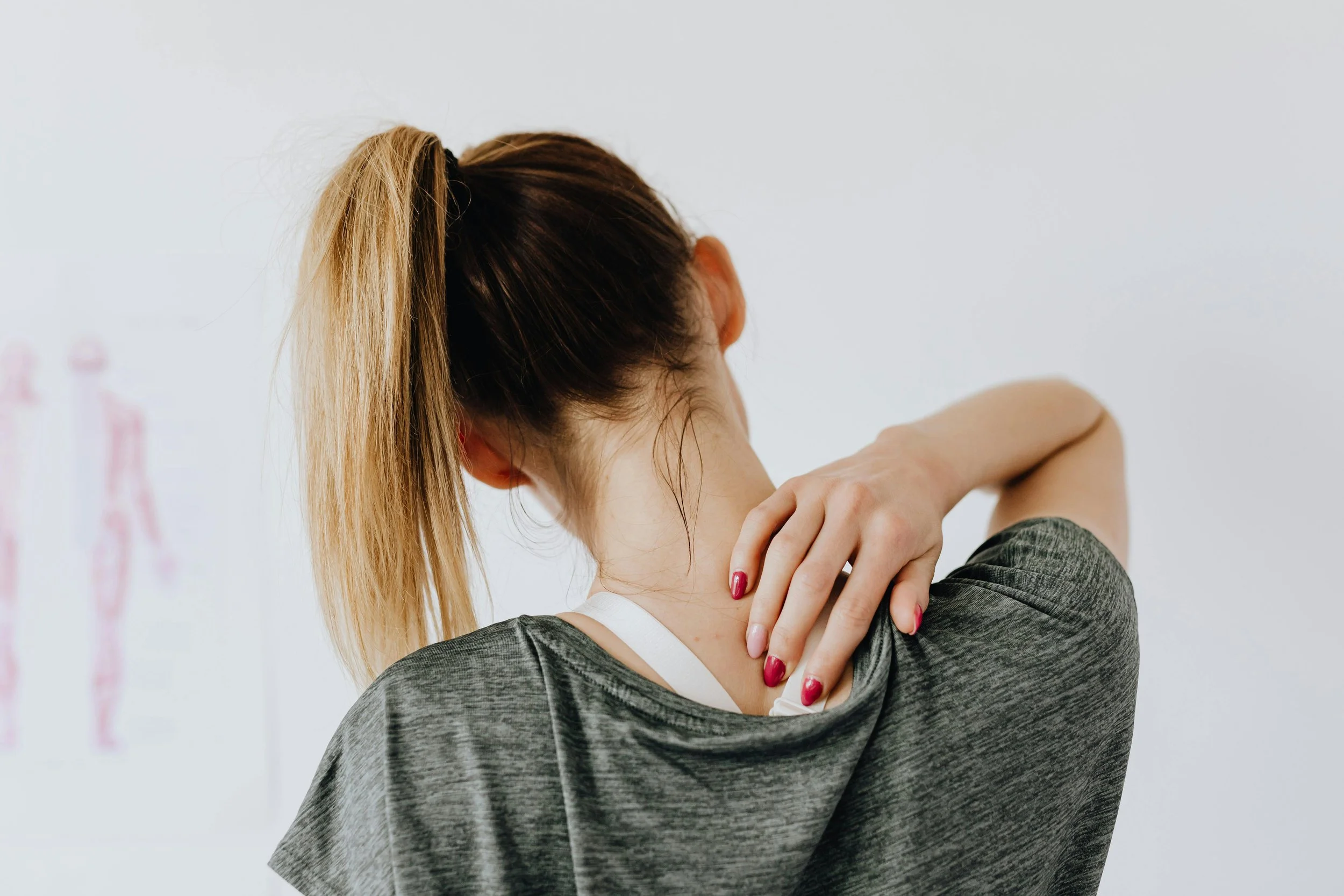
Why Desk Work Often Leads to Neck Discomfort
Neck discomfort is a common issue I see in patients who spend long periods working at a desk. Even when someone has a supportive chair or a well set up workstation, the body can still become tense. The reason is simple. The neck responds quickly to posture, stress, and long periods of looking in one direction.
Ask Katie.
Through educational posts and practical resources, Katie shares her knowledge to help you move better and feel stronger. Have a question? Submit it directly to be featured in an upcoming post.