How Living With a Dog Impacts Your Body More Than You Realize
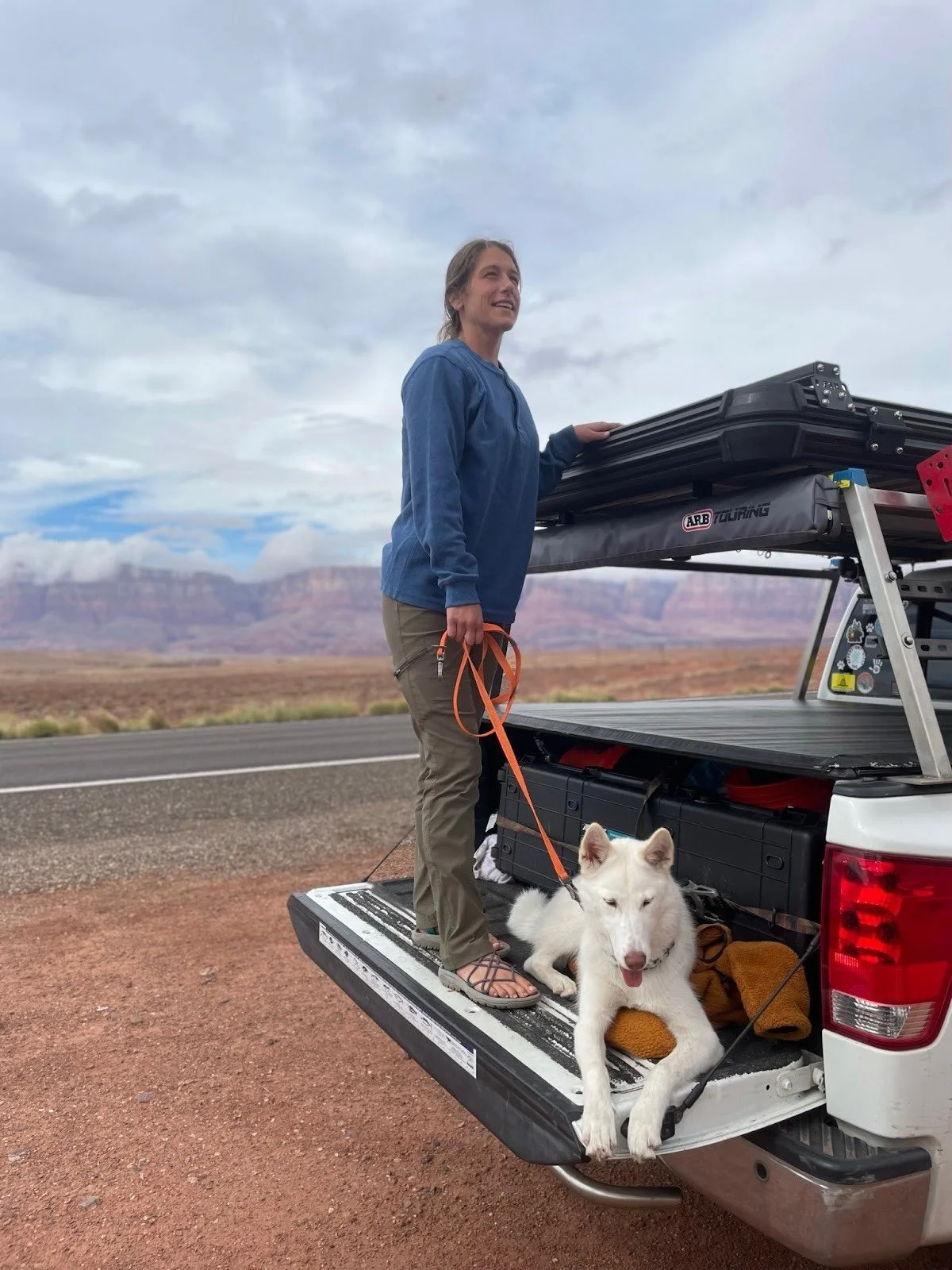
Dogs bring so much joy into our lives, but they also quietly shape how our bodies move every single day. From walking routines to lifting, bending, pulling, and even how we recover, living with a dog creates physical demands that many people never connect to their aches and pains.
Most of the time, these movements feel normal and automatic. Over time, they can add up.
Walking a dog is one of the most obvious examples. Daily walks are great for movement and circulation, but dogs rarely walk in a straight, predictable line. Sudden stops, pulling on the leash, changes in pace, and navigating uneven surfaces all ask your body to react quickly. This can place extra stress on the feet, ankles, knees, hips, and low back, especially if strength and balance are not evenly distributed.
Leash pulling often creates asymmetry. Many people hold the leash on the same side every time, which means one arm, shoulder, and side of the body consistently does more work. Over time, this can contribute to shoulder tension, neck discomfort, and imbalances through the torso.
Lifting and carrying your dog is another big factor. Whether you are picking them up after surgery, lifting them into a car, or practicing carrying for safety reasons, these movements challenge your core, hips, and upper body. Dogs do not move like weights. They shift, squirm, and change their center of gravity, which makes your body work harder to stabilize.
Even daily tasks like feeding, bathing, or drying your dog involve repeated bending, squatting, and reaching. If mobility or strength is limited, these small tasks can start to irritate the knees, hips, or back over time.
Dogs also influence recovery. Many owners push through soreness because their dog still needs care. Skipping rest days, shortening recovery time, or walking through discomfort becomes normal. While movement is generally helpful, ignoring lingering pain or compensation patterns can allow issues to build quietly.
The goal is not to stop doing these things. It is to recognize how much your body is doing and support it accordingly.
Strength through the hips and core helps with lifting and stability. Foot and ankle strength supports long walks and uneven terrain. Shoulder and upper back control help manage leash pulling and carrying without excessive strain.
Being mindful of habits can also help. Switching leash hands occasionally. Using proper lifting mechanics. Taking a few minutes after walks to ice a sore shoulder or apply moist heat to a sore low back . These small changes can make a meaningful difference over time.
Living with a dog keeps you active, engaged, and moving. When your body is supported well, it can keep up with that lifestyle more comfortably and for much longer.
Your dog depends on you. Making sure your body feels strong and resilient helps you show up for them every day.