Why a Twisted Foot Can Still Hurt Months Later and What Helps
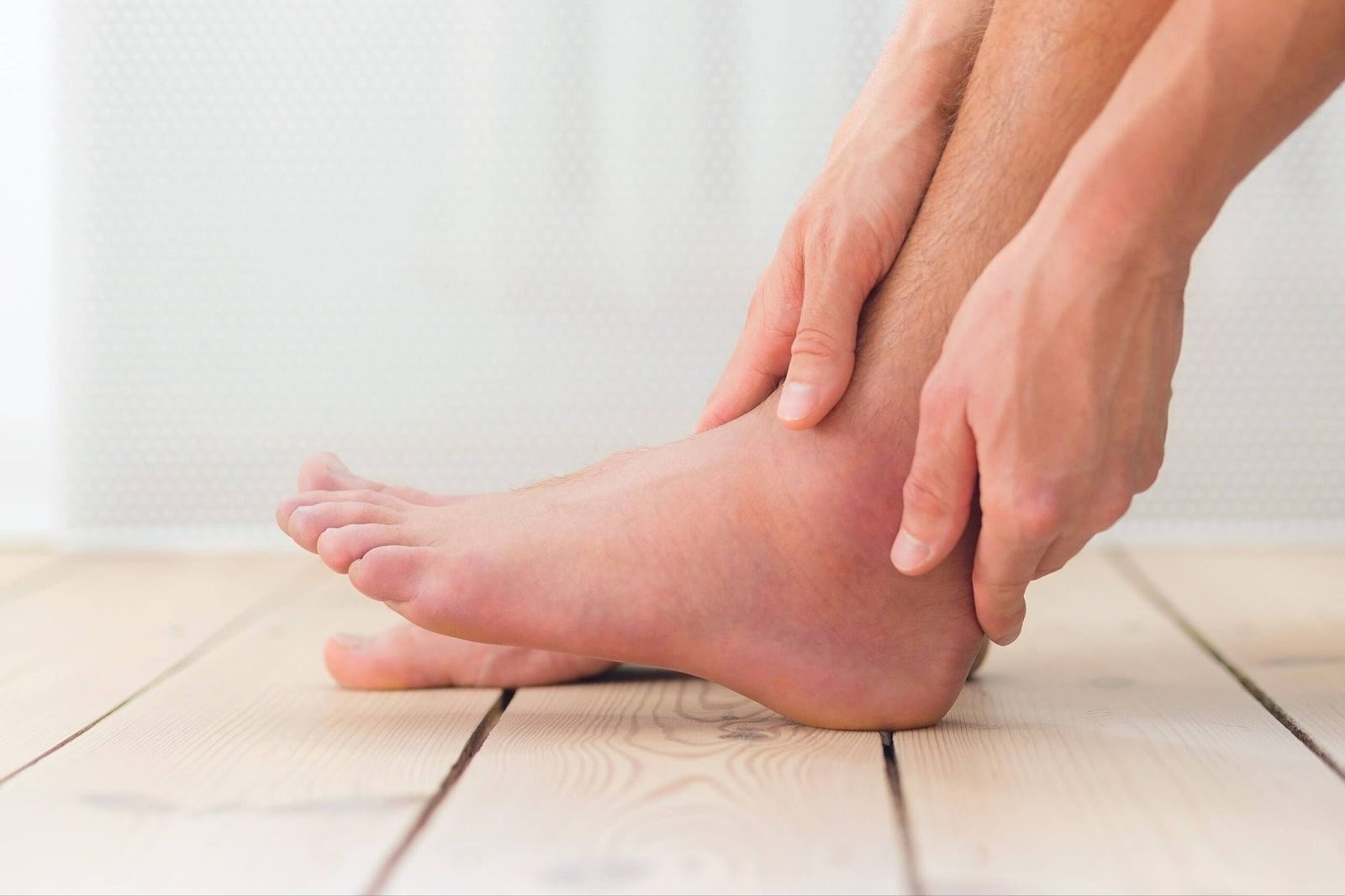
Foot injuries do not always happen during sports or traumatic accidents. In many cases, they happen during very ordinary moments and over long periods of time. A simple misstep off the curb, landing on your foot wrong and rolling your ankle is an example. How we load gravity through our body affects our bones, ligaments and tendons. If it is not distributed evenly, breakdown can occur.
At the time, it may not seem serious. You keep going. You walk it off. Maybe it feels sore for a few days and then improves. But weeks or months later, the pain is still there.
This is more common than people realize.
When you twist your foot while it is planted, several structures can be stressed at once. Ligaments that support the midfoot and ankle can be strained. Small stabilizing muscles may lose coordination. Joints in the foot can become irritated or slightly restricted. Even if nothing tore, the body still reacted.
One of the biggest reasons pain lingers after a twisting injury is that swelling and protective movement patterns often stick around longer than expected. Even low level swelling can limit how well the foot muscles activate. When those muscles are not working efficiently, the foot becomes less stable during walking and standing.
As a result, other areas start to compensate. The ankle may stiffen. The calf may overwork. The knee or hip may change how it absorbs force. Over time, this can keep stress cycling through the foot every time you move.
Another factor is that foot injuries often heal enough to tolerate daily life but not enough to fully restore normal movement. You may be able to walk, but certain motions still feel uncomfortable. Uneven surfaces, longer walks, standing for long periods, or workouts may trigger symptoms.
Support tools can be especially helpful during this phase.
Compression socks or foot sleeves can help manage lingering swelling and improve circulation through the foot and ankle. This often makes the foot feel more supported during walking and standing and can reduce that dull ache that builds throughout the day.
Compression socks or foot sleeves I recommend
Massage tools can also be useful for addressing tension that develops after a twisting injury. The arch, calf, and ankle muscles often become tight as they try to stabilize the foot. Gentle massage helps improve circulation and reduce guarding, which can make movement feel smoother and less reactive.
Foot and calf massage tools I use for recovery
For people who are on their feet often or returning to workouts, recovery tools used in the evening can help calm the system down. Improving circulation after long days allows tissues to recover instead of carrying irritation into the next day.
Recovery tool that helps reduce swelling and soreness
These tools do not replace strengthening or movement work, but they support it. When swelling and muscle tension are better controlled, it becomes easier for the foot to relearn stability and for the rest of the body to move normally again.
If your foot still hurts months after a twist, it does not mean you missed your window to heal. It often means your body adapted in a protective way and needs the right support to move forward.
Addressing circulation, muscle activation, and movement quality together is often what finally allows that lingering pain to settle.
As an Amazon Associate, I earn from qualifying purchases.